Best Tokyo Helicopter Tours — Quick Picks
Which Tokyo Helicopter Tour Is Right for You?
| Role | Air time | Cabin | Best for | Rating | From | |
|---|---|---|---|---|---|---|
| Cheapest | 10 – 15 minutes | Shared or private | Both towers on one route | 4.9★ | $423 | Check → |
| Short private | 10 minutes | Private | The bay and the Rainbow Bridge | 4.9★ | $521 | Check → |
| Full city | About 20 minutes | Private | Shibuya and Shinjuku as well | 5.0★ | $583 | Check → |
| Guided | Extended route | Private | An English-speaking host on board | 4.9★ | $1361 | Check → |
Compare Helicopter Tours in Tokyo
Prices, ratings and availability last checked: September 2026.
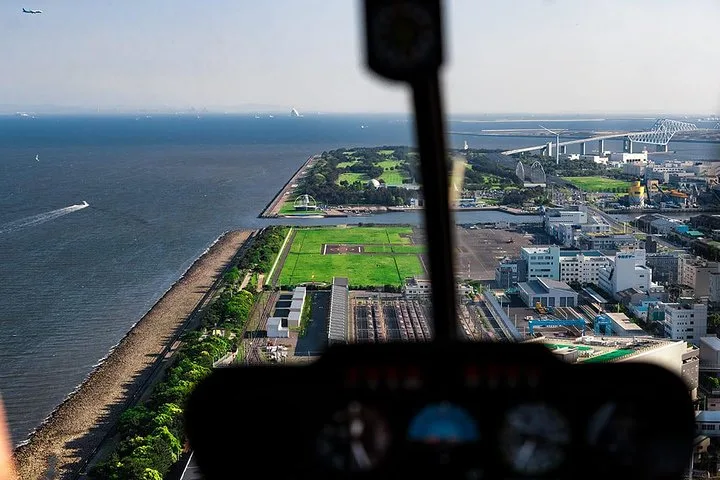 Top Pickfrom $521
 Private Helicopter Tour Over Tokyo Bay (10-Min)
- Flight areaTokyo Bay and the Rainbow Bridge, 10 minutes
- MachinePrivate cabin
- Best forA short private bay flight
- Headsets with pilot commentary provided
- Cancellation terms are shown on the operator's booking page
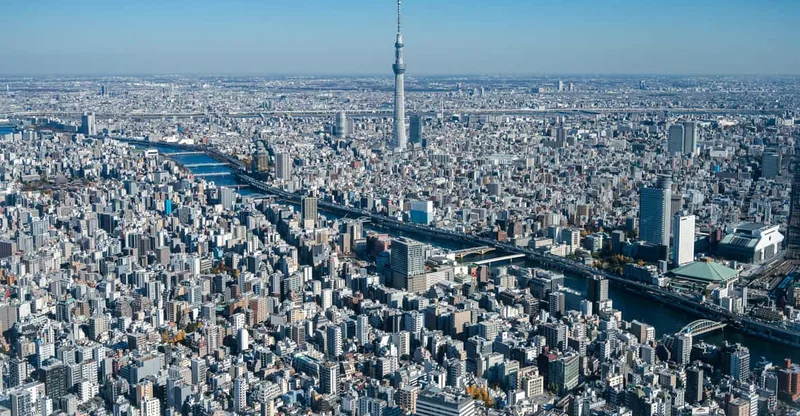 from $583
 Tokyo Helicopter tour : Skytree tower, Shibuya, Shinjuku
- Flight areaSkytree, Shibuya and Shinjuku
- MachinePrivate cabin
- Best forThe full city crossing
- Headsets with pilot commentary provided
- Cancellation terms are shown on the operator's booking page
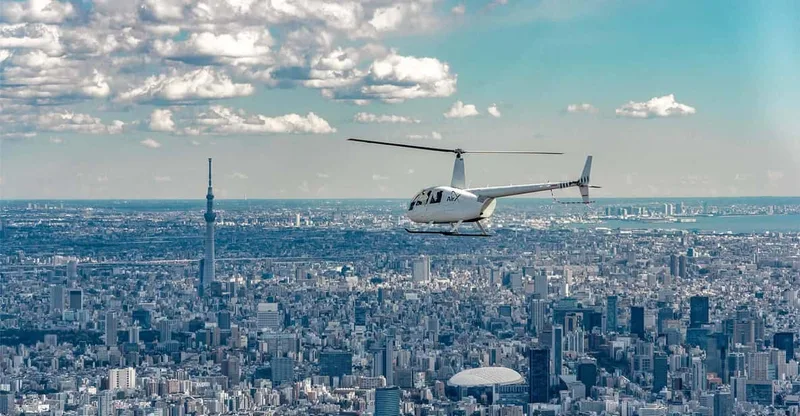 from $1361
 Guided Helicopter Ride
- Flight areaExtended guided city route
- MachinePrivate cabin with a host
- Best forEnglish commentary in flight
- Headsets with pilot commentary provided
- Cancellation terms are shown on the operator's booking page
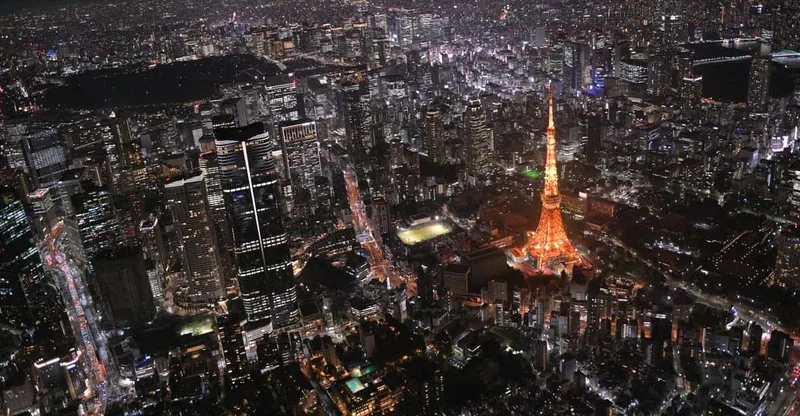 from $423
 Skytree and Tokyo Tower Helicopter Tour
- Flight areaSkytree and Tokyo Tower
- MachineShared or private cabin
- Best forBoth towers at the lowest fare here
- Headsets with pilot commentary provided
- Cancellation terms are shown on the operator's booking page
How Much Does a Tokyo Helicopter Tour Cost?
Tokyo has the highest cost per minute of any city in this guide. Ten minutes over the bay is $521, and a route that crosses the city to Shibuya and Shinjuku is $583. What you are paying for is dense controlled airspace, small private cabins and very little competition.
Ten to fifteen minutes over the bay, the Rainbow Bridge and the two towers, usually in a private cabin.
- Skytree and Tokyo Tower Tour · $423
- Private Tour Over Tokyo Bay · $521
Twenty minutes or so crossing the city centre past Skytree, Shibuya and Shinjuku as well as the bayfront.
A longer guided experience with an English-speaking host and a more extensive route.
- Tokyo: Guided Helicopter Ride · $1361
What affects the price?
Most Tokyo listings sell the cabin rather than a seat, which pushes headline fares up. For two people the per-person cost is closer to other cities than it first appears.
Night flights cost the same or slightly more and show a fundamentally different city. In Tokyo the case for flying after dark is stronger than almost anywhere.
Tokyo's airspace is among the most controlled in the world, which constrains routes and altitudes and is part of why flights are short.
Winter gives the clearest air and the chance of Fuji on the horizon; summer haze and typhoon season reduce both visibility and reliability.
Bay Flight or City Crossing: Which Tokyo Route?
Two kinds of route from the same heliports, and one of them reaches the districts people picture. Fares are from the flights on this page.
| Bay and towers | City crossing | Guided premium | ||
|---|---|---|---|---|
| Typical fare | $423 – $521 | $583 | $1,361 | |
| Air time | 10 – 15 minutes | About 20 minutes | Extended | |
| Reaches Shibuya and Shinjuku | No | Yes | Yes | |
| Cabin | Often private | Private | Private with a host | |
| Best for | A first flight over the bay | The city people picture | English commentary throughout |
Month-by-Month Guide
Clearest air of the year, with the best chance of seeing Fuji.
Cold and clear; excellent visibility over the whole plain.
Mild with cherry blossom in the parks below.
Comfortable and reliable, though haze begins to build.
Warm and pleasant, with softer distance visibility.
Rainy season: low cloud and frequent grey days.
Hot, humid and hazy; night flights are the better option.
Typhoon season begins; heat haze at its worst.
Typhoon risk continues, with clearer air between systems.
Autumn clarity returning and comfortable temperatures.
Cool, clear and stable — one of the best months here.
Cold, dry and sharp, with early sunsets for night flights.
What to Expect on the Day
Get to the heliport
Tokyo's tour heliports are on the bay side, in the Urayasu and Kawasaki areas rather than central Tokyo.
Allow 45 minutes from Shinjuku or Shibuya by train and taxi — this is not a central departure.Check in and weigh-in
Passengers weighed and briefed; cabins are typically three to five seats.
Confirm whether your booking is per person or for the whole aircraft.Safety briefing
Standard briefing, headsets, and instructions in Japanese with English support depending on the operator.
Ask about English commentary if that matters — it varies by listing.The flight
Out over the bay past the Rainbow Bridge and Odaiba, north toward Skytree, and on longer routes across the centre to Shibuya and Shinjuku.
Fuji sits on the southwestern horizon on clear winter days.Back on the ground
Ten to twenty minutes later. The travel to and from the heliport takes longer than the flight.
Night departures are worth planning the evening around.What to Bring (and What to Leave at Home)
✓ Bring
- Dark clothing to keep reflections out of the window
- Photo ID and your booking voucher
- A camera with a strap — night flights need a fast lens
- A warm layer for winter departures
- Cash for the taxi to the heliport
✗ Leave behind
- Loose hats and scarves near the aircraft
- White or pale tops that mirror in the glass
- Large bags — cabins here are small
- Drones, tightly restricted across Tokyo
- Selfie sticks, banned in the cabin
Where Flights Depart From
| Heliport / Base | Details | Best for |
|---|---|---|
| Bay-side heliports | All flights on this page | Everyone; roughly 45 minutes from central Tokyo |
How to Choose a Helicopter Operator
What good operators do
- State whether the fare covers a seat or the whole cabin.
- Say which landmarks the route actually reaches — bay-only and city-crossing routes differ substantially.
- Offer English commentary or say plainly that it is Japanese only.
- Publish the weight and passenger limits for small cabins.
- Refund weather cancellations in full.
Red flags to avoid
- Cabin fares presented as if they were per-person prices.
- Shibuya and Shinjuku photography on a bay-only route.
- Heliport locations described as 'Tokyo' when they are 45 minutes out.
- Photo packages presented as compulsory.
What You Fly Over in Tokyo
The landmarks and flight corridors these tours actually cross, and what each one looks like from the air.
Tokyo Bay and the Rainbow Bridge
Every flightThe waterfront, Odaiba's artificial islands and the suspension bridge that connects them to the city.
Tokyo Skytree
Most routesAt 634 metres the tallest structure in Japan, standing well above everything around it in the east of the city.
Tokyo Tower and the centre
Most routesThe 1958 orange lattice tower among the office blocks of Minato, lit at night.
Shibuya and Shinjuku
Long routesThe two great neon districts, unmistakable after dark as concentrated blocks of light.
FAQ: Helicopter Tours in Tokyo
More Helicopter Tours in Asia
Browse all the best helicopter tours worldwide, from the Grand Canyon to the Southern Alps.
Ready to fly in Tokyo?
4+ flights compared · rated operators only · instant confirmation