Best Big Island Helicopter Tours — Quick Picks
Which Big Island Helicopter Tour Is Right for You?
| Role | Departs from | Lands? | Best for | Rating | From | |
|---|---|---|---|---|---|---|
| Cheapest | Hilo | No | Volcano country on a budget | 4.7★ | $203 | Check → |
| Private, low fare | Kona | No | All window seats on the leeward coast | 4.9★ | $241 | Check → |
| Waterfall route | Kohala coast | No | Valleys with no road in | 4.9★ | $499 | Check → |
| With a landing | Kohala coast | Yes — private valley | Time on the ground where nobody drives | 4.8★ | $766 | Check → |
| Both coasts | Island circuit | No | Volcano and waterfalls in one flight | 4.8★ | $883 | Check → |
| Longest with landing | Island circuit | Yes | The full island plus ground time | 4.9★ | $1150 | Check → |
Compare Helicopter Tours in Big Island
Prices, ratings and availability last checked: September 2026.
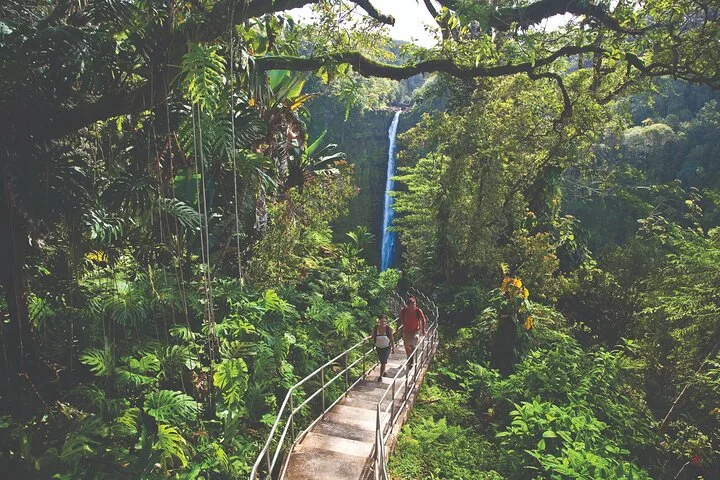 Top Pickfrom $203
 Volcano Adventure: Hilo Sightseeing w/ Optional Helicopter Tour
- Flight areaHilo side and volcano country
- MachineShared cabin
- Best forThe lowest fare on this page
- Headsets with pilot commentary provided
- Cancellation terms are shown on the operator's booking page
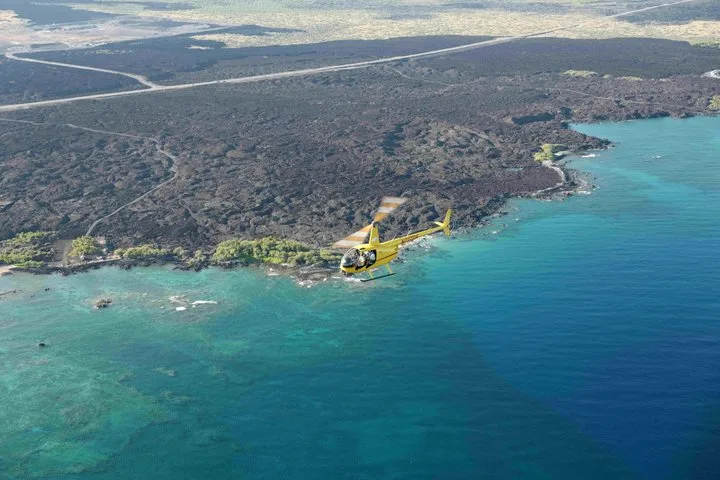 from $241
 Private Kona Coast Helicopter Tour: All Window Seats
- Flight areaKona leeward coast
- MachinePrivate, all window seats
- Best forA private flight at a shared-seat price
- Headsets with pilot commentary provided
- Cancellation terms are shown on the operator's booking page
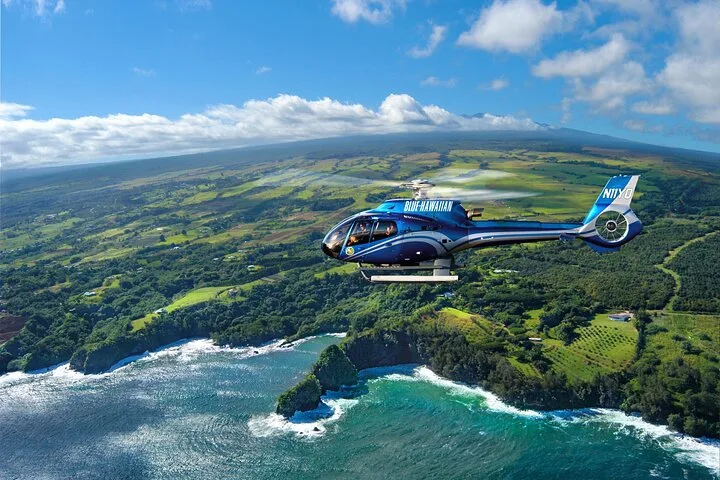 from $883
 Big Island Spectacular Helicopter Tour
- Flight areaBoth coasts: volcano and Kohala waterfalls
- MachineShared cabin
- Best forSeeing the whole island in one flight
- Headsets with pilot commentary provided
- Cancellation terms are shown on the operator's booking page
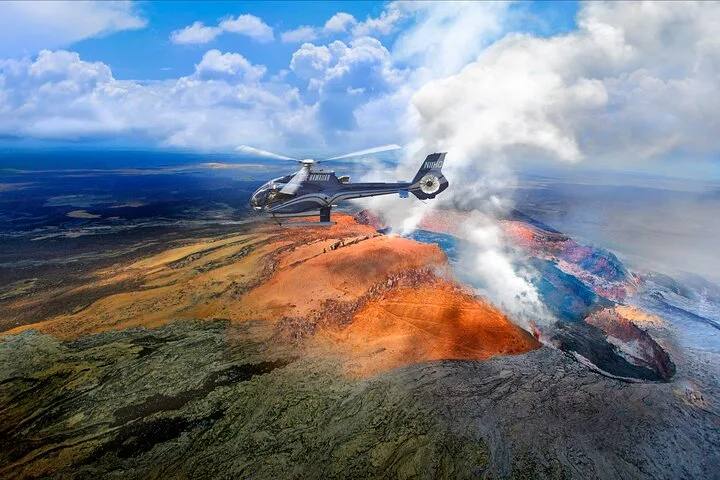 from $519
 Discover Hilo Helicopter Tour
- Flight areaHilo side, volcano and waterfalls
- MachineShared cabin
- Best forAn east-side circuit
- Headsets with pilot commentary provided
- Cancellation terms are shown on the operator's booking page
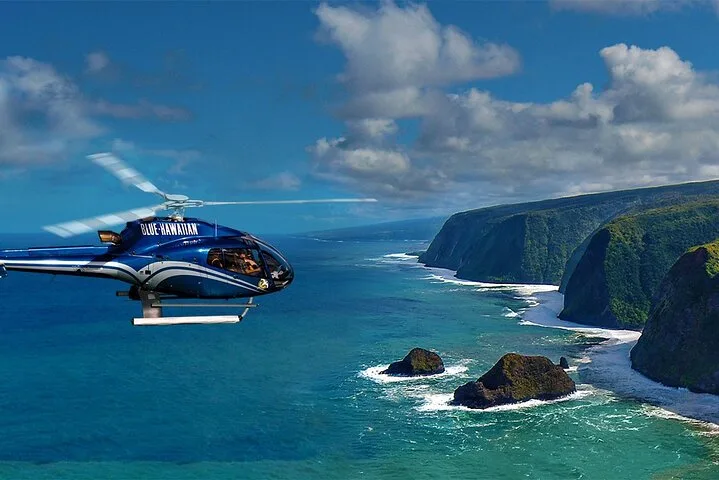 from $499
 Kohala Waterfalls & Valleys Helicopter Tour
- Flight areaKohala valleys and waterfalls
- MachineShared cabin
- Best forWaterfall country with no road in
- Headsets with pilot commentary provided
- Cancellation terms are shown on the operator's booking page
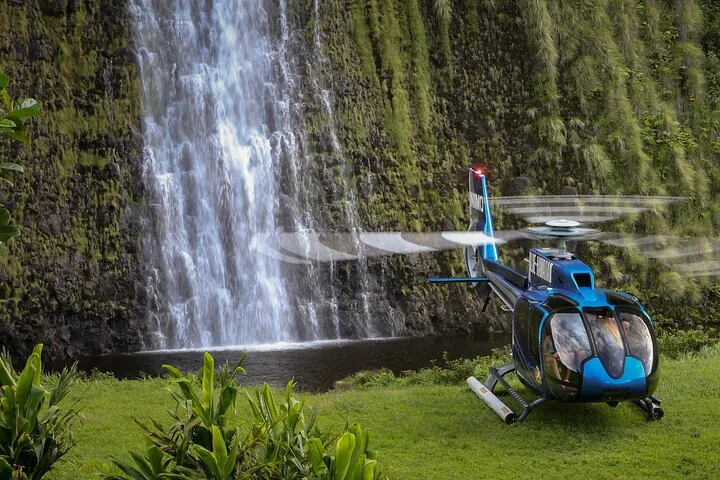 from $1150
 Exclusive Landing with Spectacular Big Island Helicopter Tour
- Flight areaFull island circuit with a landing
- MachineShared cabin
- Best forThe longest route sold here
- Headsets with pilot commentary provided
- Cancellation terms are shown on the operator's booking page
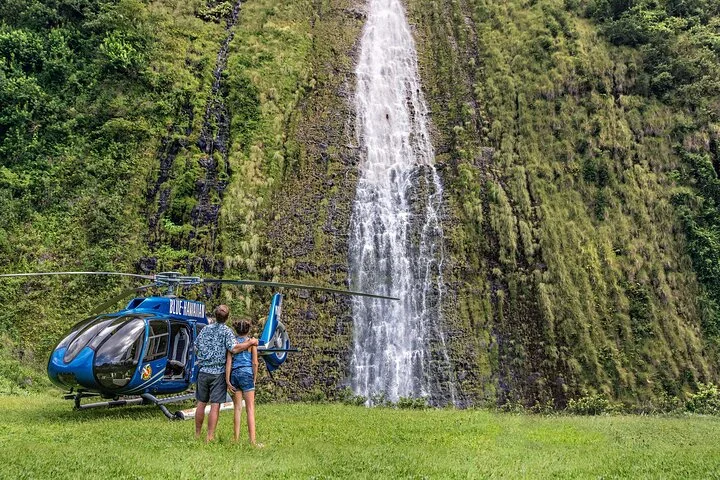 from $766
 Kohala Waterfalls with Exclusive Landing Helicopter Tour
- Flight areaKohala waterfalls with a private landing
- MachineShared cabin
- Best forGround time in a valley with no access
- Headsets with pilot commentary provided
- Cancellation terms are shown on the operator's booking page
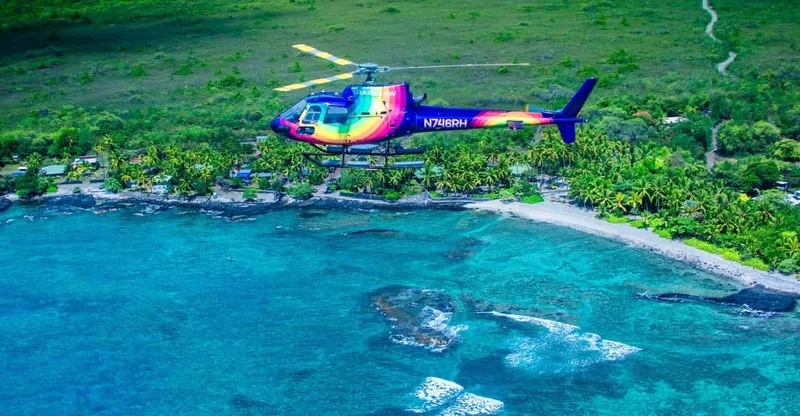 from $640
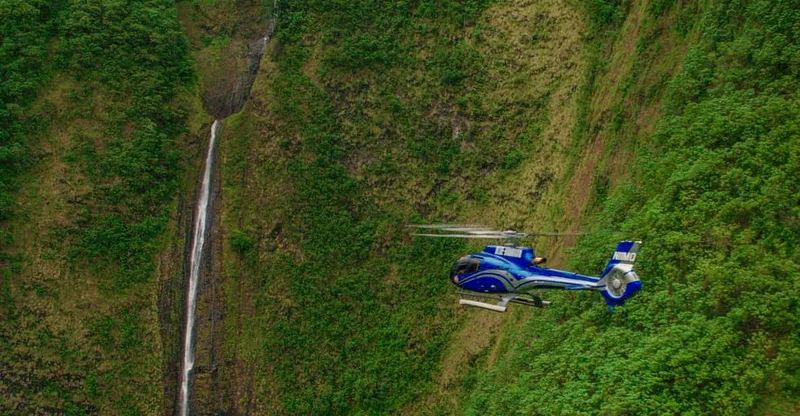
 Kailua-Kona: Hualalai Volcano Doors On/Off Helicopter Tour
- Flight areaHualalai volcano and the Kona coast
- MachineShared cabin, doors on or off
- Best forA doors-off option on the west side
- Headsets with pilot commentary provided
- Cancellation terms are shown on the operator's booking page
 from $459
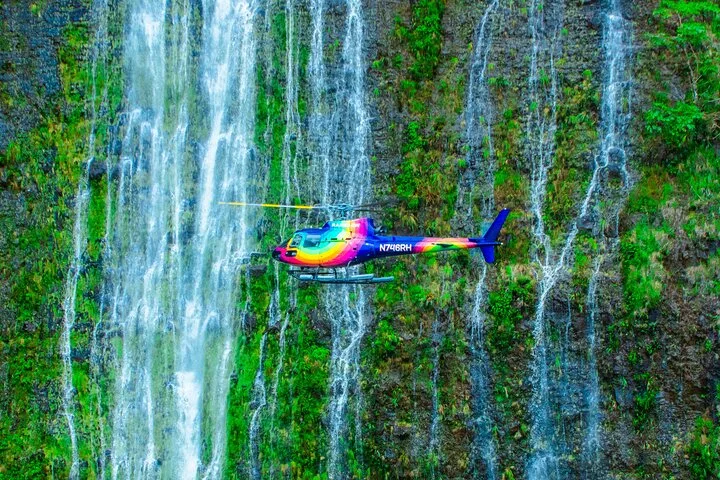
 From Waikoloa: Kohala Coast Helicopter Adventure
- Flight areaKohala coast from Waikoloa
- MachineShared cabin
- Best forResort-side departures
- Headsets with pilot commentary provided
- Cancellation terms are shown on the operator's booking page
 from $895
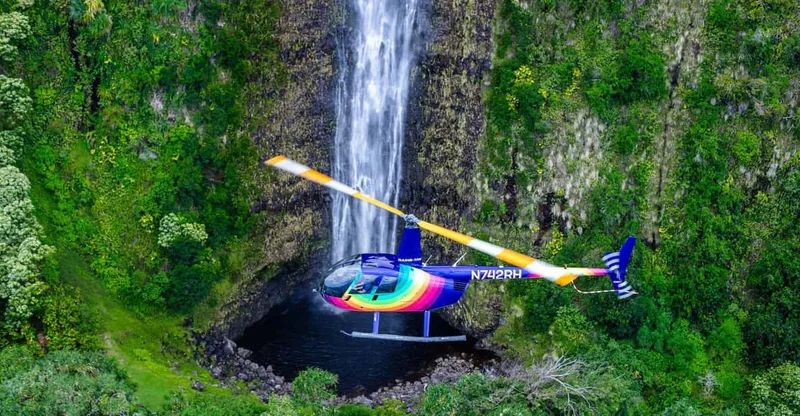
 Kohala Coast Volcano Waterfalls-90 Min Heli Tour-Doors Off or On
- Flight areaKohala, volcano and waterfalls, 90 minutes
- MachineShared cabin, doors on or off
- Best forA long doors-off circuit
- Headsets with pilot commentary provided
- Cancellation terms are shown on the operator's booking page
 from $895
 Kailua-Kona: Kohala, Volcanoes and Waterfall Helicopter Tour
- Flight areaKohala, volcanoes and waterfalls
- MachineShared cabin
- Best forA two-coast route from Kona
- Headsets with pilot commentary provided
- Cancellation terms are shown on the operator's booking page
How Much Does a Big Island Helicopter Tour Cost?
This island has the widest fare spread in Hawaii because it sells two products from two coasts. Short Hilo volcano flights are the cheapest helicopter seats in the state; full-island circuits that cover both the volcano and the Kohala waterfalls, sometimes with a landing, run four to five times that.
Hilo-side volcano sightseeing with a helicopter option, and short private Kona coast flights along the leeward shore.
Forty-five to sixty minutes over the Kohala valleys or the Hilo side, doors on or off, no landing.
Ninety minutes to two hours covering both coasts, or a shorter route that lands in private valley country for time on the ground.
What affects the price?
Hilo in the east is 45 minutes from Kilauea and gets the volcano. Kona and Waikoloa in the west are beside the Kohala valleys and their waterfalls. The island is big enough that the two are separate days, not alternatives on the same afternoon.
Kilauea's eruptions start and stop. When it is active the flights are extraordinary; when it is not, the same route shows cooled flows and steam vents. No fare guarantees lava.
Exclusive landings in the Kohala valleys add roughly $270 to the same coastal route, and put you on private ground nobody reaches by road.
Routes here run from short 45-minute legs to two-hour circuits covering both coasts. The long ones are the only way to see the volcano and the waterfalls on one flight.
Hilo or Kona: Which Side of the Big Island Should You Fly From?
One island, two coasts, two completely different flights. The fares below are from the flights listed on this page.
| Hilo (east) | Kona / Waikoloa (west) | ||
|---|---|---|---|
| Typical fare | $203 – $519 | $241 – $895 | |
| What it shows | Kilauea, the rift zones, lava fields, Hamakua waterfalls | Kohala valleys, waterfalls, sea cliffs, the leeward coast | |
| Weather | Wet — around three metres of rain a year | Dry, flies almost every day | |
| Landings | Rare | Yes, on private valley land | |
| Best for | Volcano country, especially during an eruption | Waterfalls, landings and reliable flying weather |
Month-by-Month Guide
Wet on the Hilo side with strong waterfalls; Kona flies almost every day.
Same pattern; winter swells make the coastal legs dramatic.
Rain easing on the east side, waterfalls still running well.
Mild, clear and stable — good on both coasts.
Dry, calm mornings and the clearest volcano views of the year.
Reliable trade winds; vog more noticeable on the leeward side.
Peak demand; morning slots go days ahead.
Hottest and haziest month, with vog at its most persistent.
Quieter, clearer, and comfortable on both coasts.
Rain returns to the east side and the waterfalls refill.
Wet Hilo mornings, clear Kona afternoons.
Strong waterfalls, holiday demand, and frequent east-side delays.
What to Expect on the Day
Choose your coast, then check in
Hilo terminal for volcano routes, Kona or Waikoloa for the Kohala waterfalls. Check-in is 45 minutes before the slot on both sides.
Hilo and Kona are more than two hours apart by road. Book the side you are staying on unless the drive is the plan.Weigh-in and seating
Passengers weighed, seats assigned by the load sheet, doors-on or doors-off confirmed where the operator flies both.
Ask for the outer seat on the volcano side of the aircraft if the pilot will say which way the caldera circuit runs.Safety briefing
Standard briefing plus, on volcano routes, what the pilot will do if the wind shifts and volcanic gas drifts across the route.
Gas — vog — is a genuine operational factor here, not marketing. Routes are adjusted for it regularly.The flight
From Hilo: the caldera, the rift zones, the lava fields and the rainforest waterfalls behind the town. From Kona: the Kohala valleys, their waterfalls and the sea cliffs.
Volcano light is best in the early morning; steam and gas plumes read more clearly against low sun.Landing or return
Flyovers return within the booked window. Landing flights shut down in a private valley for ten to twenty minutes.
Valley landings are on private land; there is no other way in and no facilities when you get there.What to Bring (and What to Leave at Home)
✓ Bring
- Dark clothing to keep reflections out of the window
- A light jacket, especially on the wet Hilo side
- Photo ID and your booking voucher
- A tethered camera or phone strap for doors-off flights
- Water — Kona-side terminals are hot and exposed
- Motion-sickness tablets for the longer two-coast circuits
✗ Leave behind
- Loose hats and scarves on doors-off flights
- White or pale tops that mirror in the glass
- Large bags — cabin storage is minimal
- Drones, prohibited over Hawaii Volcanoes National Park
- Selfie sticks, banned in every cabin here
Where Flights Depart From
| Heliport / Base | Details | Best for |
|---|---|---|
| Hilo | Volcano routes over Kilauea and the Hamakua waterfalls | Anyone chasing the volcano |
| Kailua-Kona | Kohala coast, Hualalai and long two-coast circuits | Travellers staying on the west side |
| Waikoloa | Kohala coast waterfall routes and landings | Resort guests on the Kohala coast |
How to Choose a Helicopter Operator
What good operators do
- Say plainly what the volcano is doing now rather than illustrating the listing with old eruption photographs.
- State which coast the flight leaves from — the island is two hours wide.
- Publish the second-seat weight threshold and the surcharge.
- Explain what happens if vog or cloud closes the caldera route, before you pay.
- Refund weather cancellations in full and rebook the same week.
Red flags to avoid
- Eruption imagery on a listing for a route that currently flies cooled lava fields.
- 'Big Island tour' with no departure coast named.
- Landing upgrades sold in cash at the terminal.
- No mention of vog rerouting anywhere on a volcano listing.
What You Fly Over in Big Island
The landmarks and flight corridors these tours actually cross, and what each one looks like from the air.
Kilauea caldera and the rift zones
Hilo sideThe active volcano, its summit crater and the rift zones running southeast to the coast. What you see depends entirely on what the volcano is doing that month.
The Kohala valleys
Kona sideWaipio and the valleys north of it: sheer green walls, waterfalls falling hundreds of metres, and no road in beyond the first lookout.
The lava fields and the coast
Both coastsBlack flows reaching the sea, some decades old, some from the last few years, with new coastline where they entered the water.
Hamakua coast waterfalls
East sideThe wet windward coast north of Hilo, where three metres of annual rain feeds waterfalls into the sea cliffs.
FAQ: Helicopter Tours in Big Island
More Helicopter Tours in Hawaii
Browse all the best helicopter tours worldwide, from the Grand Canyon to the Southern Alps.
Ready to fly in Big Island?
11+ flights compared · rated operators only · instant confirmation